

In a world flooded with quick scrolls and short attention spans, brands that tell stories — not just post pictures — stand out.
The difference between an image and a storytelling image series? Emotion, continuity, and connection.
At PICHA, we believe visuals are the language of connection and a great story told visually can move audiences more than a thousand captions ever could.
Here’s how to craft a storytelling image series that captures attention, builds brand loyalty, and turns your feed into a narrative people want to follow.
As an example, Let’s create a campaign for a credit card company.
Start with the Story — Not the Product
Before you choose images, define the emotional arc you want your audience to feel.
Ask yourself:
- What story am I trying to tell?
- Who’s the hero — the brand, the community, or the audience?
- What emotion do I want people to leave with — joy, gratitude, hope, belonging?

Build a Consistent Visual Language
A storytelling series works best when all images feel like they belong to the same world.
Think color palette, lighting, and composition.
Try this:
- Pick one dominant tone (e.g., warm golden light or rich contrast).
- Stick to a cohesive background or texture (wood, fabric, or natural light).
- Use imagery from the same photographer or series for seamless flow.
Create an Arc — Beginning, Middle, End
Stories need rhythm.
Even in visuals, a good sequence has:
- A beginning: A quiet setup or introduction (someone setting the table, opening a window).
- A middle: The action or emotion (people connecting, creating, laughing).
- An end: A reflection or resolution (a smile, an empty cup, a sunset).
Tip: Always end your sequence with an image that feels like closure. It leaves audiences emotionally satisfied and more likely to remember your post.
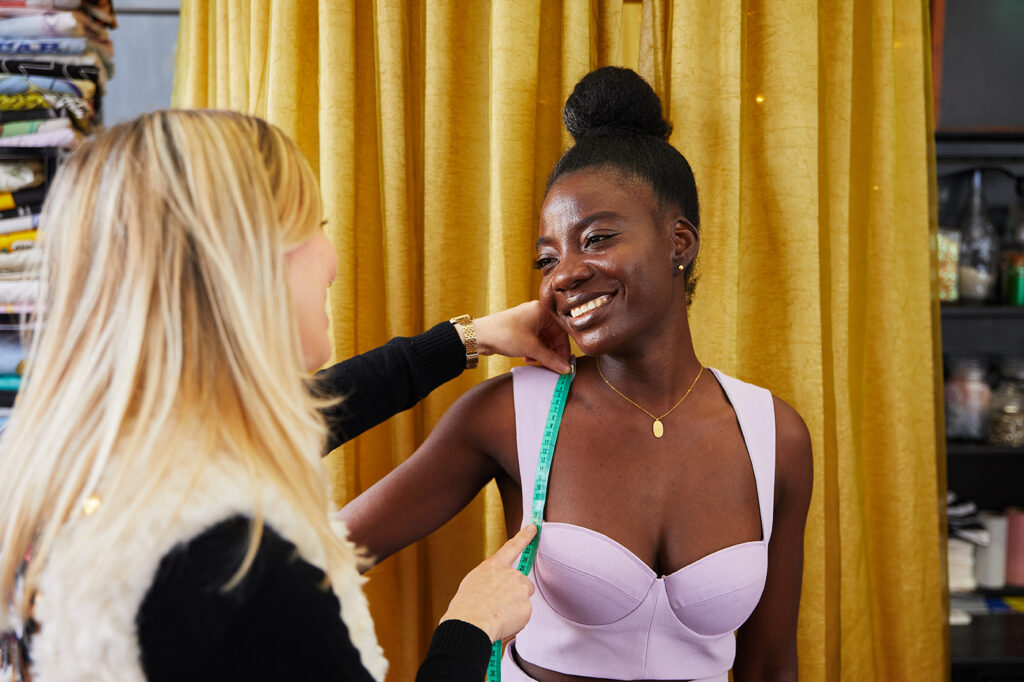
Mix Context and Detail Shots
The secret to a dynamic series is variety. Combine:
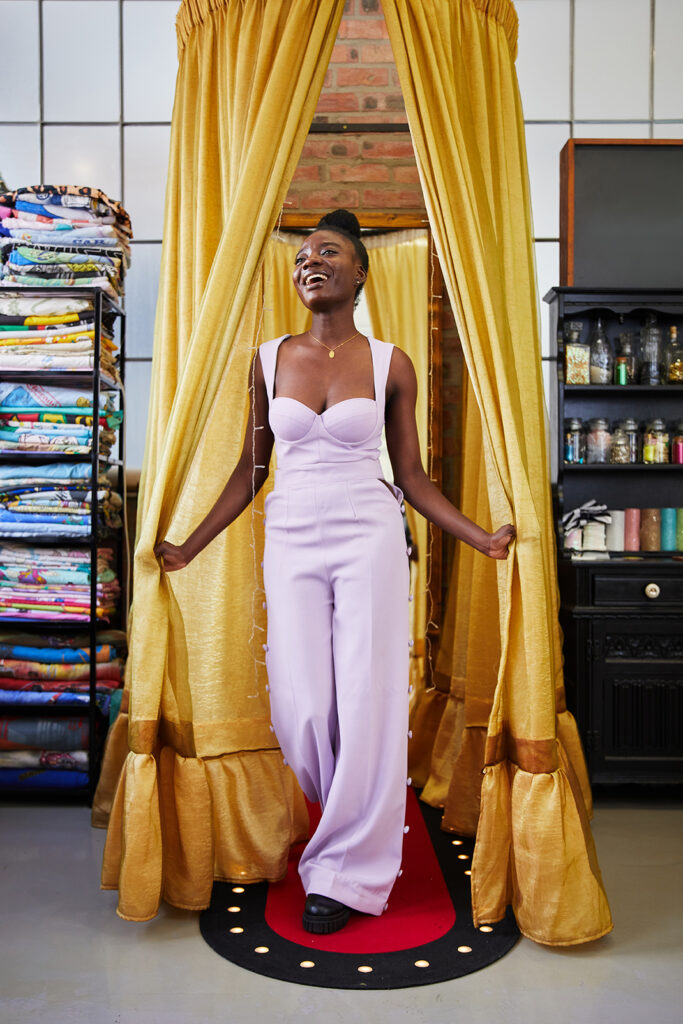
- Wide shots for storytelling context (the environment, setting, or atmosphere).
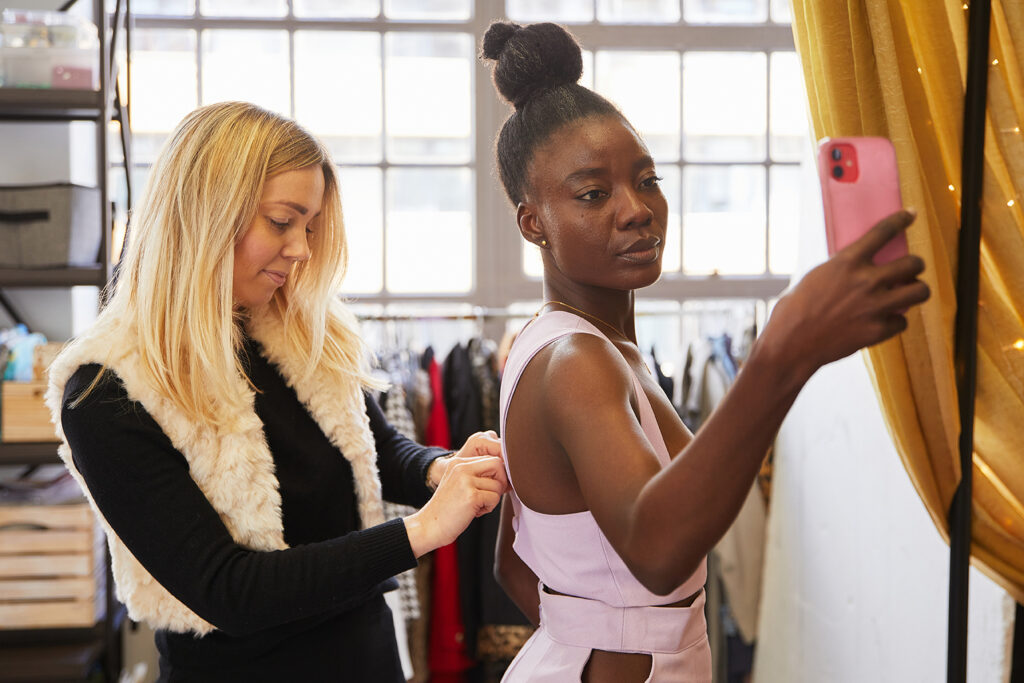
- Medium shots for emotional moments (people interacting).
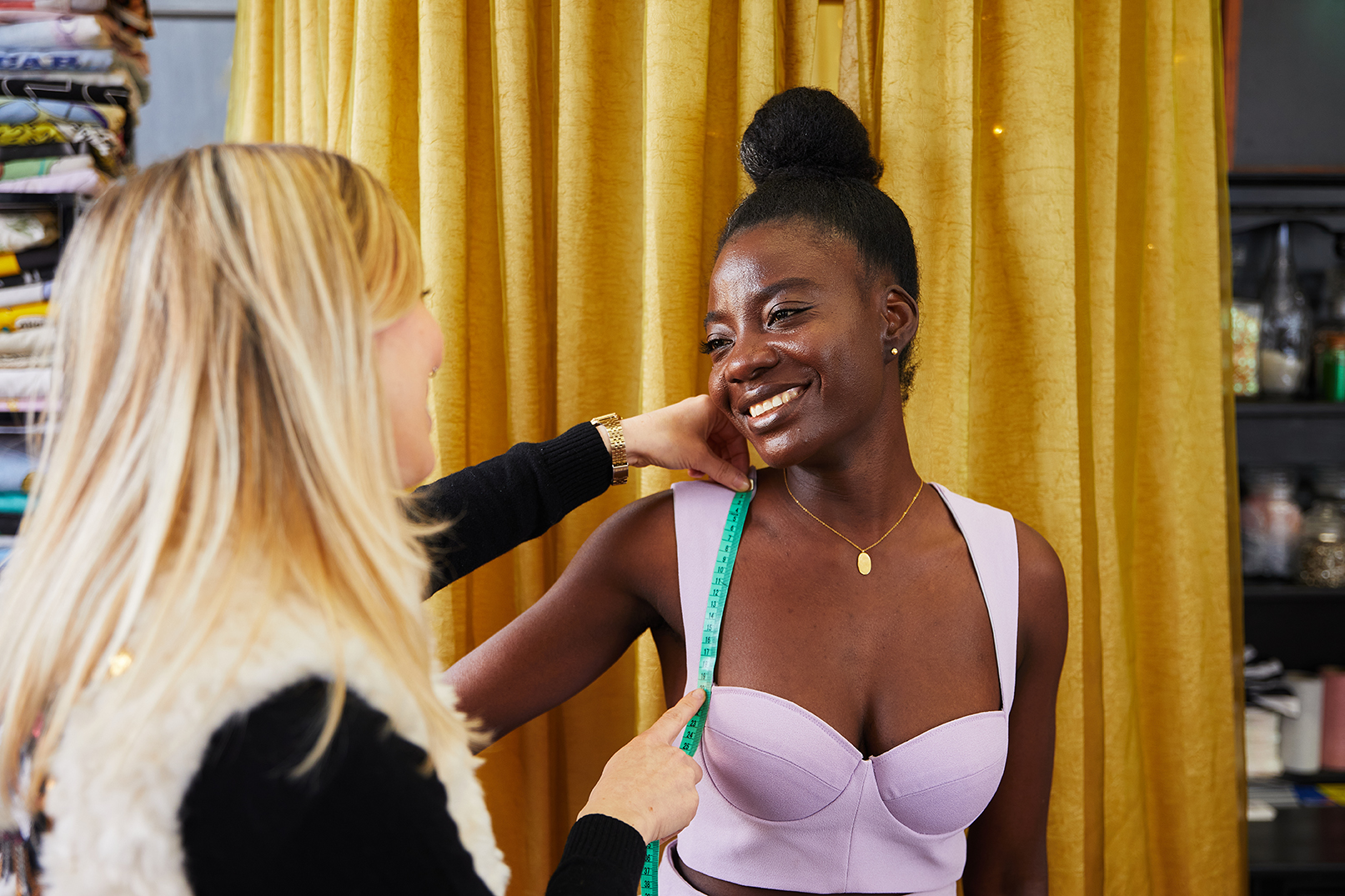
- Close-ups for texture and intimacy (hands, food, fabric, light).
This creates rhythm and depth, allowing your viewers to feel immersed in the scene.
Every good story leaves people wanting something — reflection, action, or connection.
Decide what your audience should do next:A storytelling image series isn’t about perfection — it’s about truth.
When visuals carry emotion, representation, and rhythm, they transform your social media from a feed of posts into a gallery of meaning.

Explore storytelling-ready visuals at pichastock.com